The Power of “Unplugging”: My Experience with Two Weeks Scroll-Free
Written by: Victoria Lam, 2nd Year Chemistry
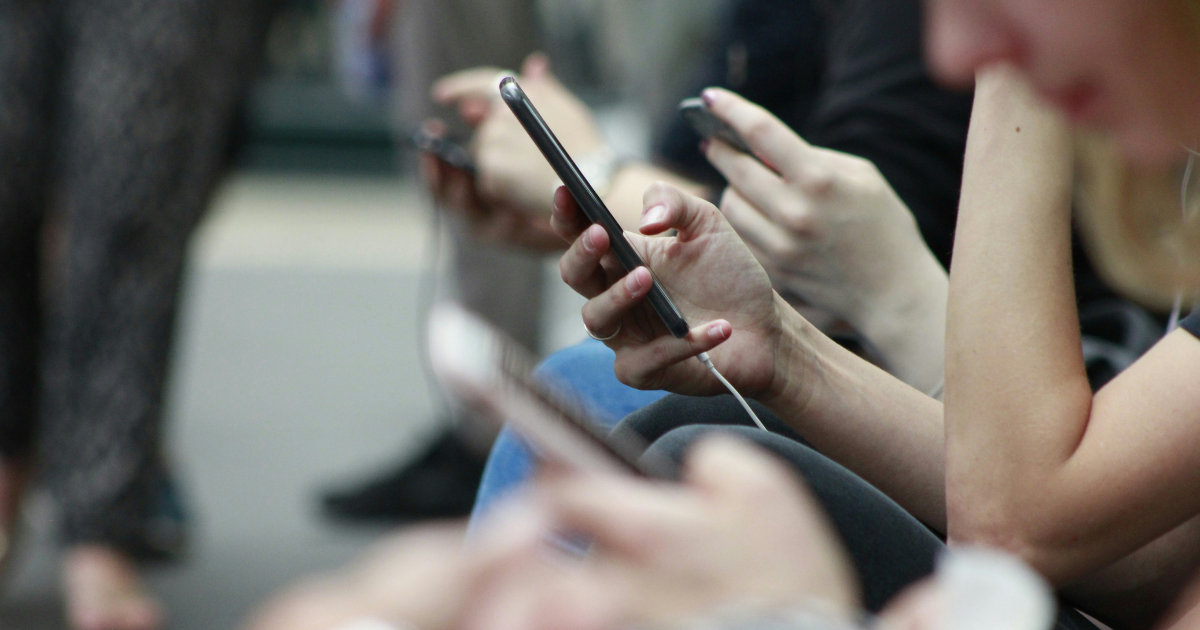
Photo by: Robin Worrall on Unsplash
Have you ever been glued to your phone while knowing full well that you should be studying? Maybe you’ve taken a few too many mid-day scroll sessions that could be better spent doing chores? Or perhaps you’ve doomscrolled late into the night, with the thought of the morning’s classes in the back of your mind?
If you’re embarrassed to admit that I’ve just described some of your habits, don’t be: I’ve just described my own as well. I’ve been an avid user of Instagram, Snapchat, and Tiktok for years now, using them to connect with friends, get inspired, and keep up with news and pop culture. In recent years, though, I’ve noticed social media becoming less of a pastime of mine, and more of a way to procrastinate and get distracted from academics and life in general. I believe that the constant availability of these apps, the short-form nature of their content, and the ease of mindless scrolling are the main contributors to this. After all, I think few would argue that tapping through Instagram stories or watching a “get-ready-with-me” Tiktok are less attention-grabbing activities than taking time to study or going to the gym!
The Decision to Go Scroll-Free
As alluring as my online feeds may be, I knew that I couldn’t continue letting scrolling waste time better reserved for the much more important things in my life: academics, friends and family, and health and wellbeing. So, a few weeks ago, with midterm season in full swing, I decided it was time to make a change. I made a plan to “unplug” from non-productive technology use: I deleted Tiktok, and set a one-hour daily time limit for both Instagram and Snapchat to remind myself not to scroll, intending to use them only to contact classmates if necessary. I also committed to doing certain things tech-free: I stopped listening to music during bus rides and walks, and stopped using technology while taking study breaks.
Week 1: Unexpected Benefits
The first week of my “unplugging” project was easier than expected, as midterm studying replaced the urge to scroll and led to several positive effects. My music-free bus rides were more enjoyable overall: I got to take in the scenery, or just be mindful for the duration of the route. While walking around campus, I took more notice of the incredible architecture framed by the beautiful fall weather. Furthermore, avoiding aimless phone time during study breaks allowed me to prioritize physical health with a quick stroll - and I noticed that I was later able to regain my focus on studying much faster than I typically can after a “phone break”. A 2018 study published in the Journal of Behavioural Addictions supports my observation: in it, college students that were given a phone to complete a “break task” between solving puzzles were shown to be the least capable of solving more puzzles after, compared to those who did the task another way. Study coauthor Terri Kurtzberg summarized the study’s conclusions about “phone breaks” well: “We assume it’s no different from any other break – but the phone may carry increasing levels of distraction that make it difficult to return focused attention to work tasks. Cell phones may have this effect because even just seeing your phone activates thoughts of checking messages, connecting with people, access to ever-refilling information and more”.
Week 2: Challenges and Rediscovery
The second week of the project proved harder than the first, as it coincided with Reading Week. Not having classes to attend was nice, but I found myself tempted to fill my free time with scrolling through my Explore page. To combat this temptation, I indulged in hobbies I’d been neglecting: I made progress through the book I’ve been reading, did some Pilates routines, and cooked a few delicious meals from scratch. I also opted to watch some movies that had been on my watchlist for awhile. Consuming these long-form, more cognitively engaging pieces got me to stay focused and finish them with lessons learned that I’ve rarely gained from a random Tiktok. In addition, I spent plenty of time with family and friends, and went on fun outings. Overall, it was an awesome week of rest and rejuvenation - and it was infinitely more fulfilling without the time-wasting distractions of social media!
What I Learned After Two Weeks Offline
So, after two weeks of unplugging, what are my key takeaways? This is what I learned, and why it might be worth trying for yourself:
- You don’t miss out on as much as you think you will without a constant online presence. While I wasn’t the first to hear about a new music release or riveting celebrity gossip during this period, the information I needed to know came to me one way or another - friends and family texted me directly with important updates, and Apple News kept me in the loop with headlines. In the grand scheme of things, the other news was trivial, and I felt much more clear-headed and less overwhelmed without the constant information overload from social media streams.
- You’ll feel more productive and energized with less screen use. Less mindless screen use means more time to study, yes, but also to get some exercise in, try that new hobby you’ve been interested in for months, spend quality time with your loved ones, and so much more! These activities get you up and active, leading to improved physical health and boosted moods. Professionals agree!
- Technology is everywhere, but you don’t have to let it control you. As I’ve detailed, I still used technology a bit for entertainment and communication during this period, and I had no choice but to use it for school purposes (including to draft this blog) - as we all know, everything is on Brightspace! The difference in my use of technology here compared to my regular use was that it served as a resource to learn and get things done, instead of as a method of procrastinating doing those initiatives. YOU control your time and attention, NOT technology!
Moving Forward: Finding Balance with Technology
Going forward, I plan to limit all social media use to one hour a day, and possibly even outsource a Screen Time password to a family member to ensure I stick to my goal. To all readers, I’d recommend you give the scroll-free experience a try. You can set your own terms and timeline: even a day without social media might be the push you need toward a more in-real-life… well, life!
Anyone looking to improve their digital well-being can also find support from the Wellness & Well-being team.
Published on