Answering The Big Question: What to do With Your Degree?
 Written by: Victoria Lam, 2nd Year Chemistry
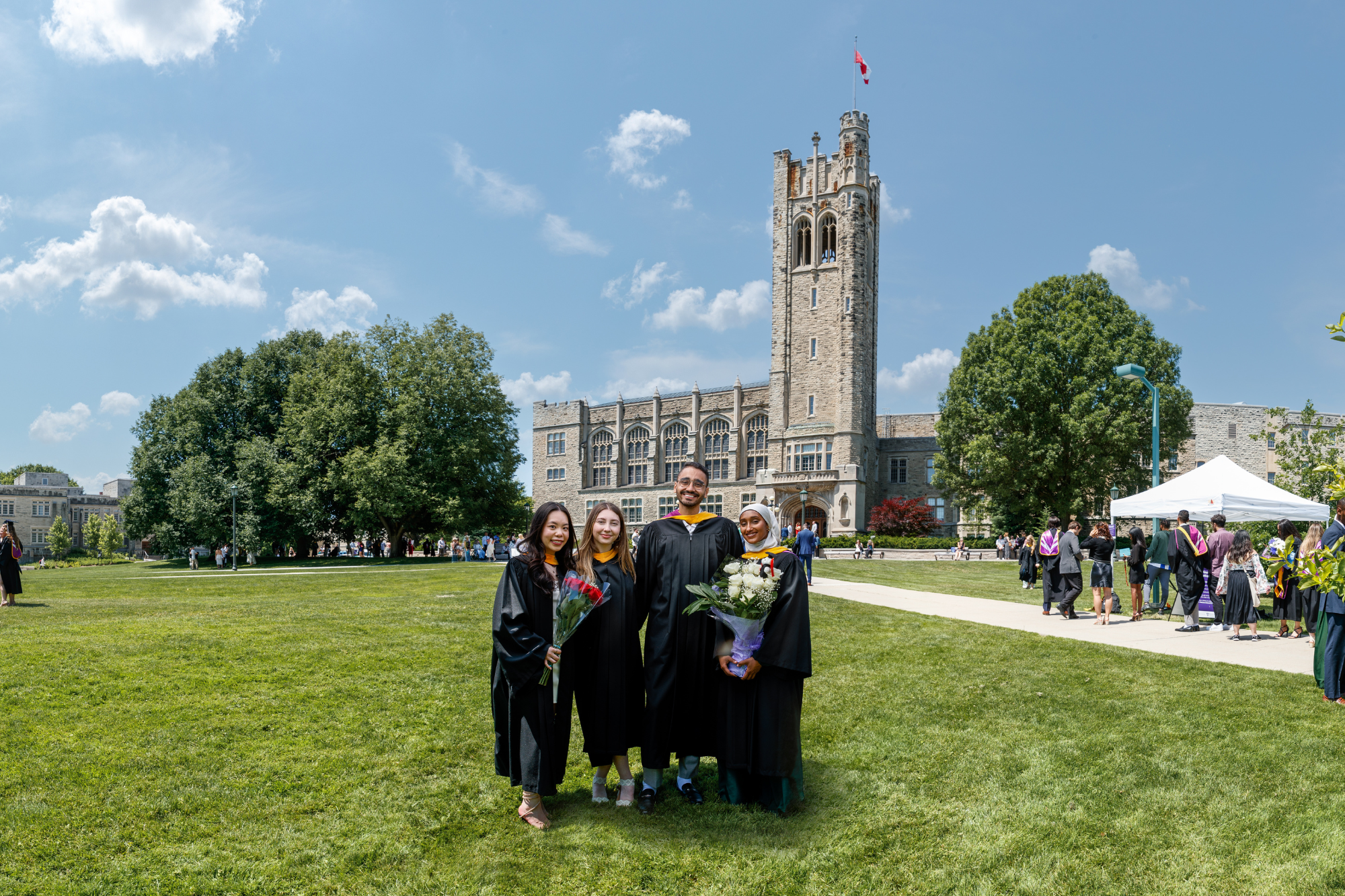
Photo by: Western Communication
As of September 2025, Western University enrolls 37,875 full-time students. This figure includes undergraduate and graduate students across three campuses and numerous faculties, studying everything from biochemistry to philosophy to finance. That’s a lot of students, a lot of graduates-to-be, and after Convocation, a lot of future members of the workforce. Here arises the big question: what should you do with your degree?
As a science student, I’ve asked myself this time and time again. Whether I’m writing out my daily schedule or organizing a two-week road trip, I am a huge planner, and not having a definitive answer about my future has sparked more than a few anxious spirals. These spirals often involve me overwhelming myself with even more questions: pharmacy school? Perhaps a Master’s degree? What about lab work? It feels like there are too many options and none at the same time, and although I’m only a second-year student, the time to pick just one of them seems to be creeping closer every day.
If you can identify with any of the struggles I’ve recounted above, you’re reading the right blog. I have picked up a lot of wisdom through my research into different jobs and fields that I’m more than happy to share! Below are five practical strategies to help you discover new career paths and ultimately choose the one that’s right for you.
Attend Career Fairs, Panels, and Workshops
I have found that, more often than not, firsthand accounts are the most reliable sources of information to help understand a job, organization, or industry. You can hear plenty of accounts from professionals, hiring managers, and more at various career fairs and panels across Western faculties and programs! For example, during the Fall for example, you can attend the hirewesternu Career Fair or the Careers in Federal Government Day to network with actual employers. There are also faculty-specific panels and workshops, often hosted by student council clubs. In my own experience, I attended a few panels with the Science Students' Council, where I got to hear from and talk to professionals in the nuclear, sustainability, and biotechnology industries. I’d recommend checking out your faculty or program’s student council Instagram page for updates on such events!
Talk to Friends and Peers
Friends, classmates, and even mere acquaintances often have so much more guidance to give than you realize! I’ve learned about so many lesser-known yet in-demand jobs and opportunities from the quickest of chats with friends - everything from how to become a physician’s assistant, to the role of speech-language pathologists, to the importance of bioinformaticians. These people have all been students in the exact same “figuring out what to do after undergrad” boat, which, in my opinion, shows the immense value in sharing this information and helping each other out where we can. Try opening up conversations with like-minded friends and peers on degree planning, internship opportunities, professional programs, and any other advice.
Attend Open Houses and Events
Certain industries, careers and programs can appear “mysterious” to the outside observer: what does a day as a [insert role here] look like? What courses would I take in that graduate program? What is the hiring process for this job at that company? I felt this way while looking into a pharmacy school: I knew it had an accelerated program, but I had no idea what the schedule or coursework actually looked like. So, I registered for an open house with the school. During the event, I got a detailed look at the courses and exam schedule, which really helped to shape my decision on whether to apply. Look for these open houses, ask-me-anything sessions, and seminars in fields that interest you - they are likely easily found on your organization or program of choice’s website!
Look for Experience in Unlikely Places
You’re probably aware that internships are a great way to become familiar with a certain job or industry, but you may not have searched for them everywhere. Check all the job boards for positions with niche companies and institutions, and look into work experience/co-op programs such as the Federal Student Work Experience Program and Western’s Experiential Learning programs.
If an internship isn’t for you, there are many other ways to gain valuable experience! Perhaps there are volunteer positions available, which are generally more accessible than internships. Check out Western's Peer Leader Program for on campus volunteer and leadership opportunities! Maybe you can work a part-time job, such as in customer service, that provides transferable skills. Think outside the box as much as possible here. You could even consider studying abroad with one of Western’s International Learning programs to expand your horizons!
Consult Directly with Careers and Experience
Western’s Careers and Experience department is here to, in their own words, “help you deepen your academic learning and actively plan for personal and professional growth through career education, experiential learning, and industry exploration”. From offering appointments with career coaches, to mock interviews, to peer feedback on resumes and CVs, they’re happy to lend a hand. Check out their website to learn more and access supports. Western’s guidance doesn’t just stop in the lecture hall!
It’s important to remember that you don’t absolutely need to know what to do with your degree early on in your academic career, or even as it comes to an end! Everyone’s journey to finding their path is different - at the end of the day, you’ll find the one for you by seeking out new experiences, staying connected, and remaining curious.
Published on