What’s Behind Our Plate? The Hidden Ethics of Everyday Eating
Written by: Mohammad Balar, Scholar Writer, 3rd Year Medical Science
Photo by: Franki Chamaki on Unsplash
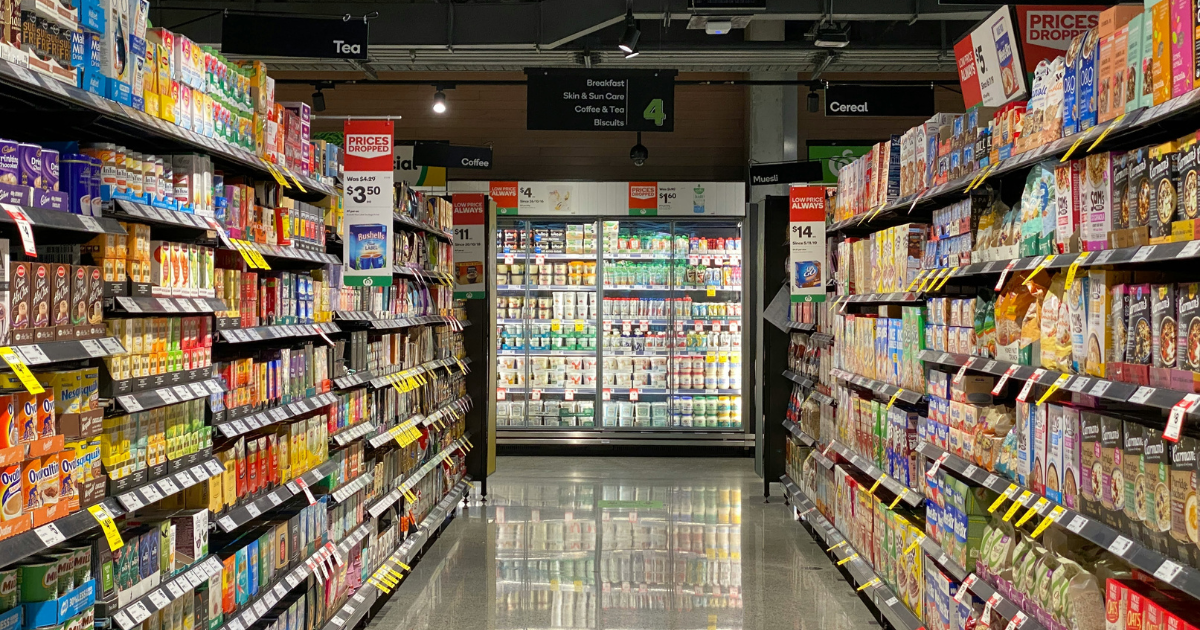
One day or another, you find yourself standing in your favourite grocery store, reaching for the items you usually buy. You move through familiar aisles, scanning for what you need, until a deal catches your attention. A buy one, get one free offer on family-sized chips feels too good to pass up; it is enough for you, your family, and friends to enjoy together.
You continue shopping for the basics, eggs, milk, and other everyday essentials. That evening, after making a meal from what you brought home, you open one of those bags of chips to satisfy a craving. It feels ordinary and routine, like a small, harmless moment in an otherwise typical day. What makes this moment feel so simple is not that it is uncomplicated, but that it is shaped by how much remains hidden. The food in your cart carries a long history of production, labour, and environmental impact, most of which never appears on a price tag or a label.
That is what makes food different from many other daily choices. It is intimate and personal, but it is also deeply connected to larger systems of ethical problems. What we eat affects not only our health but also the ways food is grown, processed, transported, and sold. It shapes working conditions for farmers and labourers, determines how animals are raised, and affects land, water, and ecosystems.
Yet those systems rarely announce themselves. Most of what makes the food supply possible happens far from the grocery store, which makes it easy to overlook. Food shows up as a finished product, neatly packaged and ready to consume, while the labour, resources, and decisions that made it possible remain hidden. That distance turns complexity into convenience. It allows the choices in our carts to feel simple, even when they carry broader consequences.
Paying attention to what lies behind our plate does not require blame or perfection. It requires noticing the connections that are already there. Once we start to see them, food stops being only something we consume and becomes something we participate in, through what we buy, what we ignore, and what we come to accept as normal.
This is why questions about food keep resurfacing. What should we eat? Is it wrong to eat certain foods? Do our choices make a difference in a world shaped by massive food systems? These questions rarely have simple answers, yet their persistence points to something important. Eating can feel routine, but every meal is connected to choices and trade-offs made long before it reaches our plate.
Food carries responsibility because it sits at the intersection of personal need and shared consequence. We rely on food to sustain our health and well-being, yet the way it is produced and distributed can shape the lives of others. Farmers, food workers, and communities surrounding farms, factories, and distribution routes often absorb the pressures that keep food abundant and affordable, even when those pressures never surface on a label or receipt. At the same time, access to nutritious and culturally familiar food is uneven, shaped by income, geography, time, and availability. When choice depends on those constraints, questions about hunger and fairness become part of the food system itself, not just a separate issue happening somewhere else.
While it is difficult to avoid ethical pitfalls within modern food systems, everyday choices still matter, even when they feel small against something so large. Convenience and low prices make it easy to slip into the "cheap foodscape", where harm is often built into what feels normal and affordable. But there are ways to respond without chasing perfection, such as supporting local farmers, buying from local grocers when possible, and paying closer attention to what labels, sourcing, and brand practices suggest about labour and environmental impact.
Advocacy matters, too. Individual choices can become louder when they are paired with collective pressure, like supporting policies that protect food workers, improve transparency, reduce environmental damage, and expand access to nutritious and culturally familiar food. In that sense, ethical eating is not only a private decision made in a grocery aisle. It is also a public responsibility shaped by what we ask for, what we demand, and what we refuse to accept as inevitable.
In the end, the point is not to escape the system entirely but to see it clearly. Once we recognize what sits behind our plate, the routine loses its naivety in the best way, and it gains meaning. The grocery cart becomes more than a collection of items. It becomes a reflection of the world we are helping to sustain. If we cannot always choose perfectly, we can still choose consciously, again and again, until awareness becomes habit, and habit becomes change.
Reference List:
Carolan, M. (2018). The real cost of cheap food (2nd ed.). Routledge. https://food.unt.edu/philfood/#e
Published on