Working in a Research Lab as an Undergraduate Student
 Written by: Ekroop Jassar, Scholar Writer, 2nd Year Medical Science
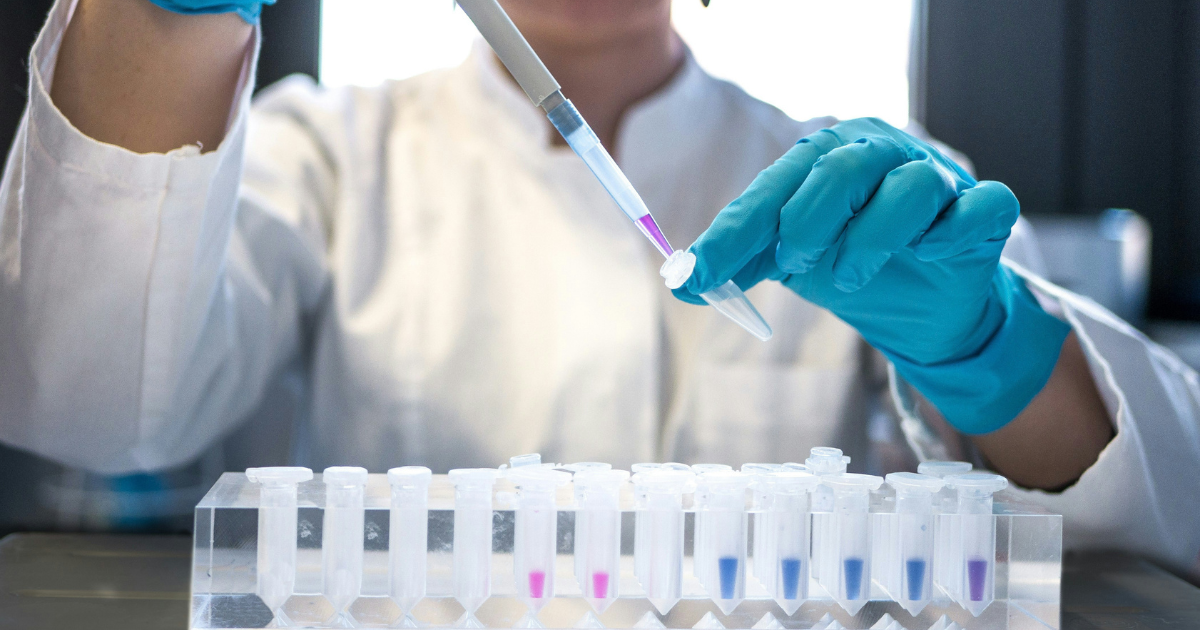
Photo by: Julia Koblitz on Unsplash
Many science undergrads dream of working in a research lab. Imagine applying abstract concepts to tangible work, being able to understand complex techniques, and discovering new insights on subjects you love. This fantasy seems amazing, but working in a research lab as an undergraduate is not quite as ideal.
It all starts with why people apply to labs. There are vastly different ways to get involved, from volunteering, doing work study, and getting a full-time summer internship. For each different type of lab involvement, there are different “application” procedures, but what’s common to them all is that there’s a serious supply-demand issue. That means there are a whole lot of students for a very small amount of positions. Part of the prestige of undergraduate research jobs comes from this disparity between qualified students and available jobs.
The Dreadful “Cold Email”
The typical route to securing a lab-based position is to email the Principal Investigator (PI), or the head lab tech. You might have heard of the term “cold email”, which essentially refers to emailing a PI (or other supervisor in the research field), and pitching yourself for a job or volunteer position in their lab. The trouble with cold emailing is that students often don’t know if the lab has the capacity to take on more trainees at the time.
So ensues the dreadful period of sending cold emails detailing your interest in 20 different labs with varying research. To write an effective cold email, attach your resume and transcript, research the lab’s work, and explain why you’re genuinely interested in their research. This can be especially difficult if you're at the beginning of your degree, as you haven’t even learned the basics of what most labs study. You risk seeming insincere if you write too eagerly, and you risk missing out on the position if you don’t seem eager enough.
The next issue with cold emailing: PIs are busy people. A PI may not have an opening in their lab or the time to respond to you. Most rejections from labs come in the form of no response, rather than an upfront rejection. The anticipation can kill you and leave you wondering why your email wasn’t good enough. From my personal experience, only about 1 in 2 professors will end up responding to a cold email. On the bright side, PIs who do email you back are usually very nice about explaining why they cannot take on more students at the moment, and many often encourage you to apply again later on.
Starting in the Lab
After many follow-ups and constantly waiting, your cold email or formal application gets accepted and you did well on your interview. Congratulations! It’s time to start working in the lab. Wrong. If you’re working in a wet lab, or a clinical lab with patients, it’s now time to be trained, fill out paperwork, do medical screenings if needed, and most importantly, get acquainted with the lab. After you’ve jumped through all the hoops, you can finally start working in the lab.
You might think you’re going to participate in groundbreaking work, but the chances are that as an undergraduate, you’re going to be assigned to help support a graduate student’s project. What’s even worse is the reality of research. Every step of the way there will be roadblocks, failed experiments, and outcomes that are difficult to explain. With your limited knowledge, these mishaps can seem insurmountable. You might be upset that working in a lab was not everything you expected it to be, and that might discourage you from a career in research.
Why It's Worth It
After countless lab failures and repeating experiments, I can confidently say that, even though working in a lab is far from what most people envision, the research community and understanding science make it all worth it. The science community, specifically senior members of your lab, will support you through your mistakes and help you develop the skills to become more independent. And all the hard work you did - to secure your position and to perfect your experiments and reports - makes your success even sweeter.
Apart from the amazing support system, practical application of your favourite subjects will help you understand them in ways that you could never imagine before. You fall in love with the subjects all over again and gain a thirst for knowledge that can only be quenched by your work.
If you’re currently applying to labs as an undergraduate student, and you’re starting to lose faith, keep trying. Lab spots will open up, and doing work you’re genuinely passionate about makes the process all worth it.
Published on